 |
 |
 |
 |
 |
 |
 |
|
|
 |


Various instruments
These are mostly teardrop designs because for me they embody the maximum in playability, strength and efficiency.
 |
This instrument has 5 courses of strings. It can be tuned like a Brazilian guitar (viola caipira), like a normal guitar without the low E (the tuning I use), or in a variety of open tunings as used by Celtic musicians. They often call this type of 10 string instrument a cittern, a name borrowed from a Renaissance instrument. These instrument are covered on my mandolin page with links to videos etc. It can also be made as a fluorocarbon strung verson, which plays more like a lute.
|
|
 |
||
I was asked to build a 'banjola' which is basically a banjo neck on a mandola body. It seems to work rather well when you want to play some banjo tunes without the extroverted banjo tone. |
||
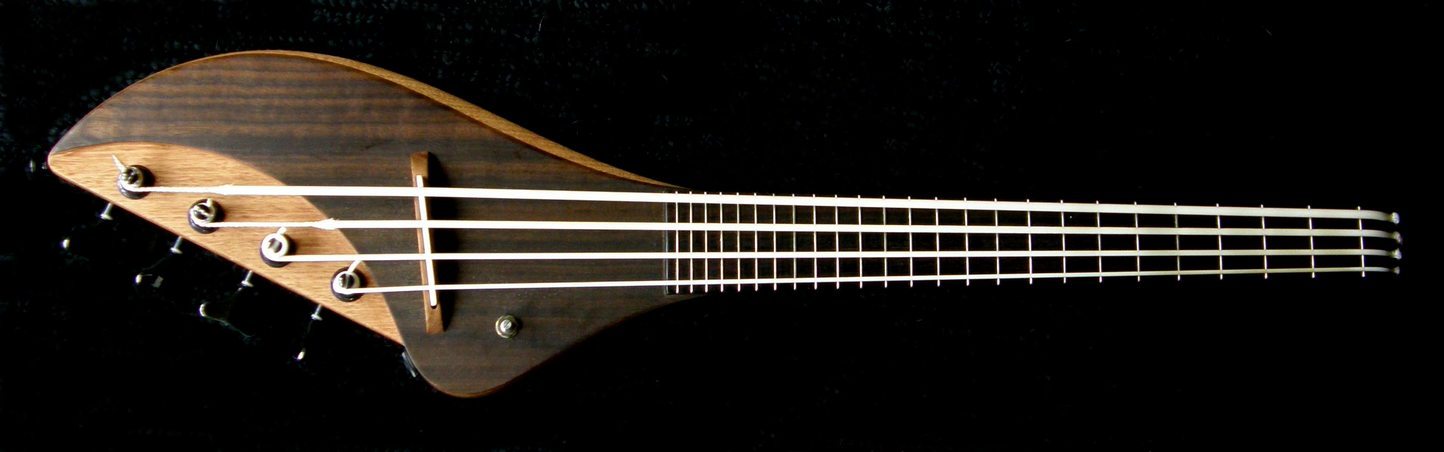 |
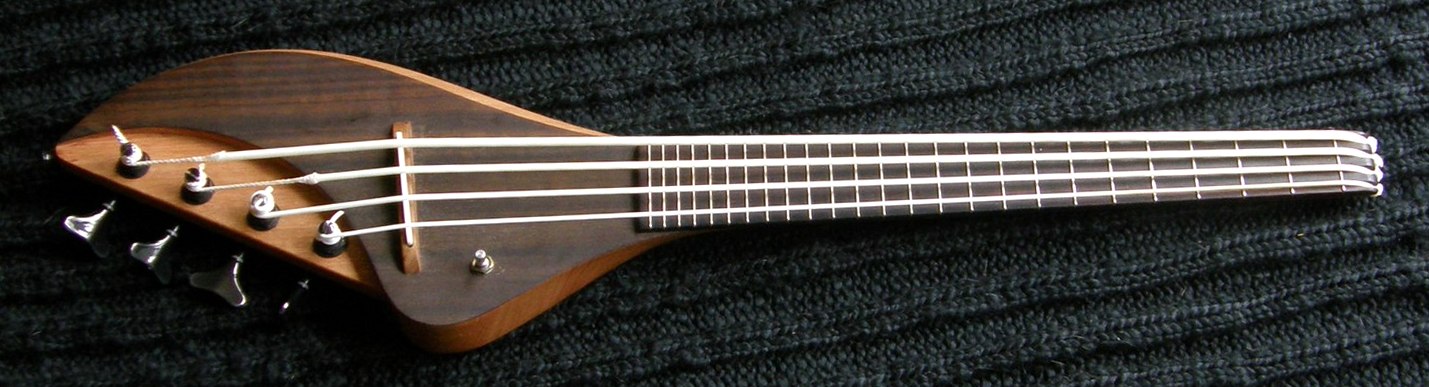
There have been a number of basses over the years that have greatly reduced the scale length by using soft strings. The first I know of is the Ashbory bass from the 80s. More recently the Road Toad U-bass has become a real contender. This prototype uses the U-bass scale of 20 inches (51cm). The sound is remarkably close to an acoustic bass mainly because of the soft attack and a lack of harmonics. But it requires some real care handling the strings, if you press too hard they can roll under the fingers. But once you get the hang of playing lightly, it is effortless. |
|
 |
||
 |
  |
|
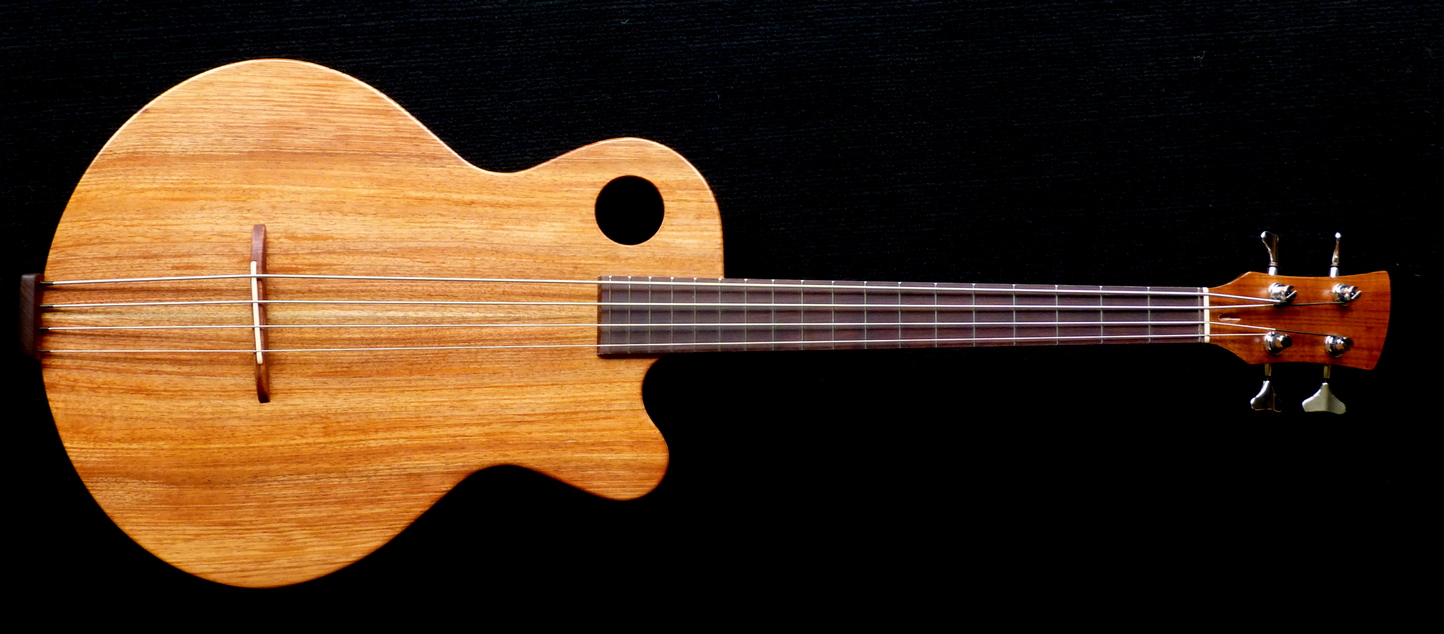
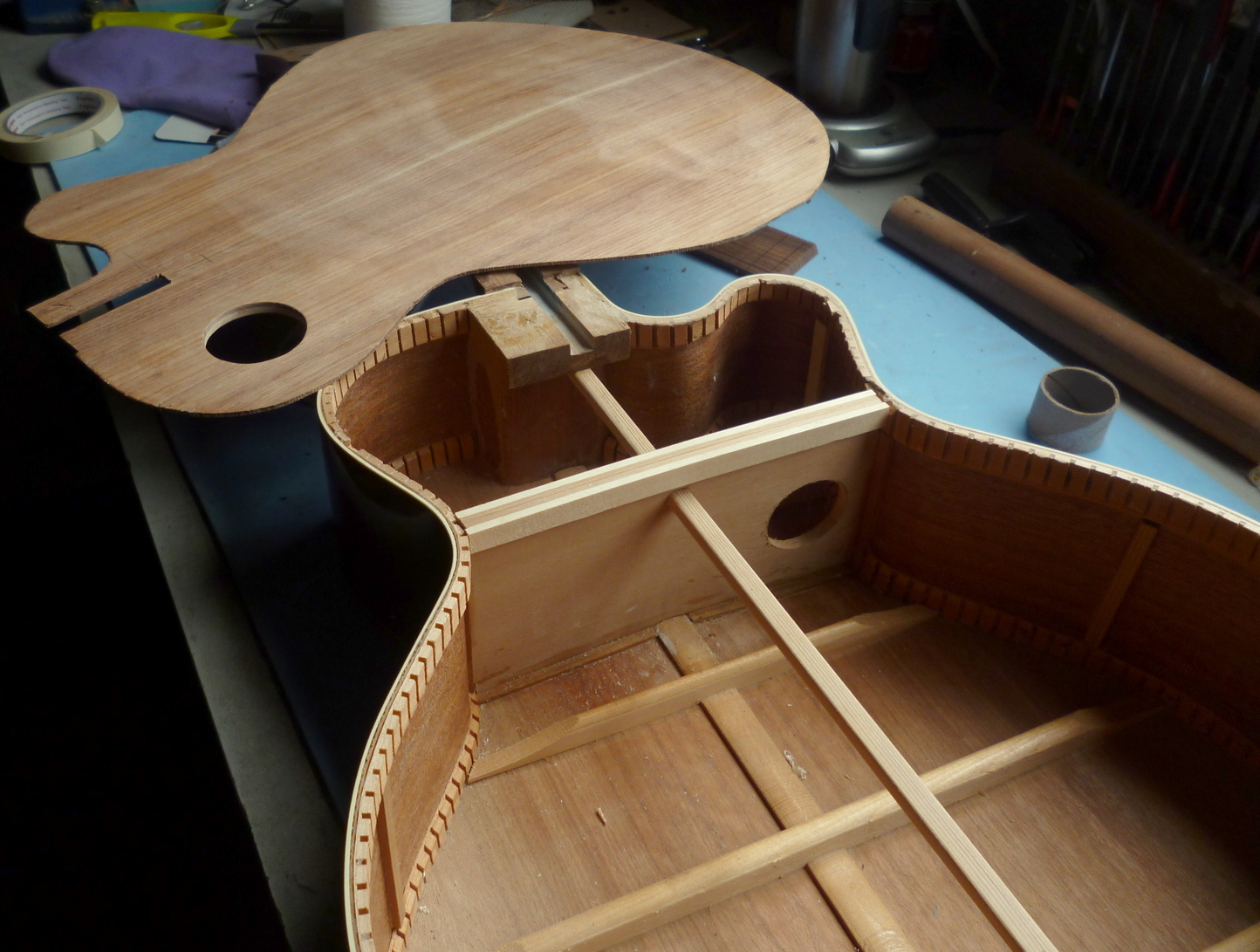
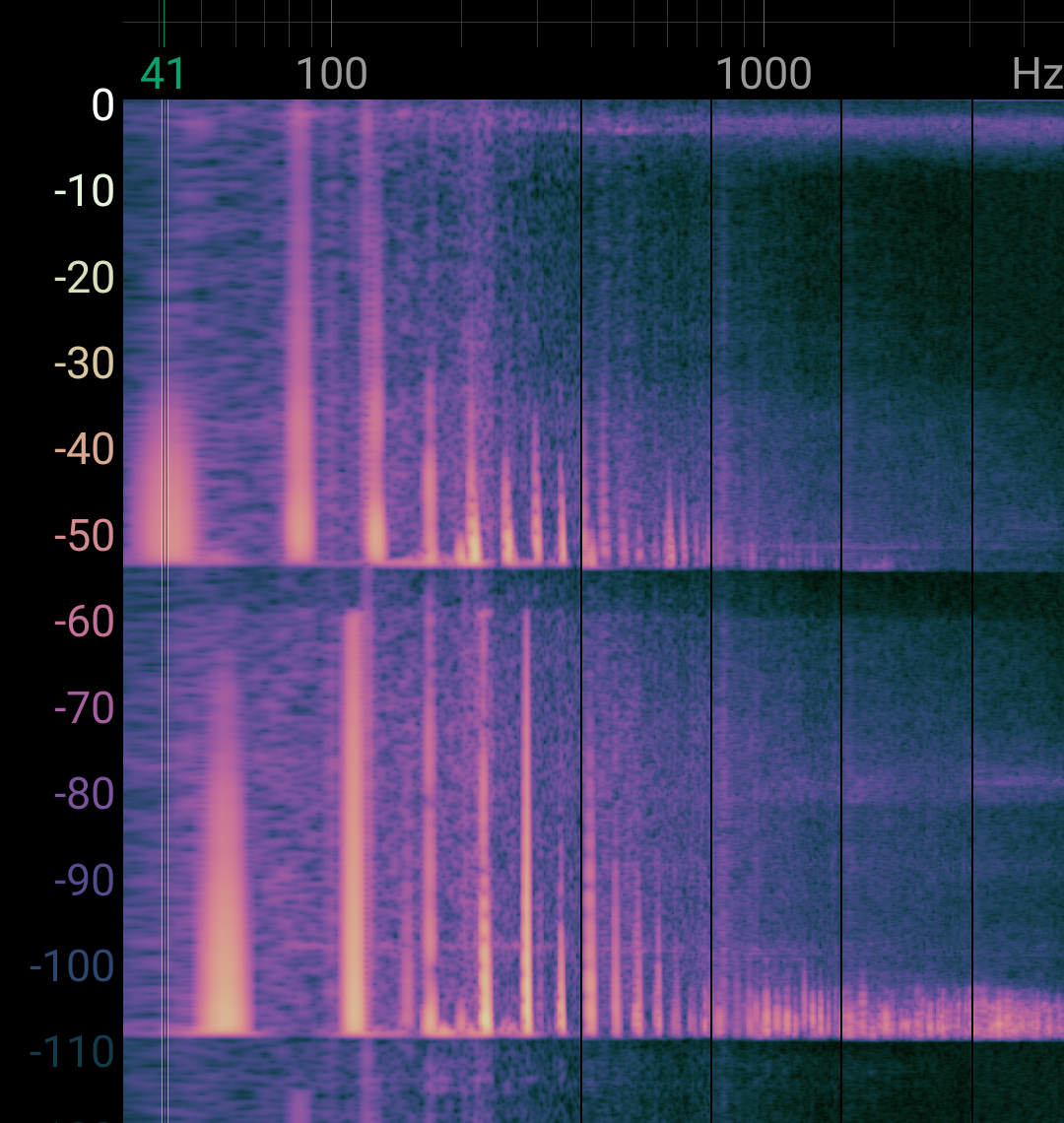
I rebuilt a Charvel jumbo guitar as an experiment to combine my archtop design with a twin chambered body. The aim was to produce an acoustic bass with real bass frequencies. |
||
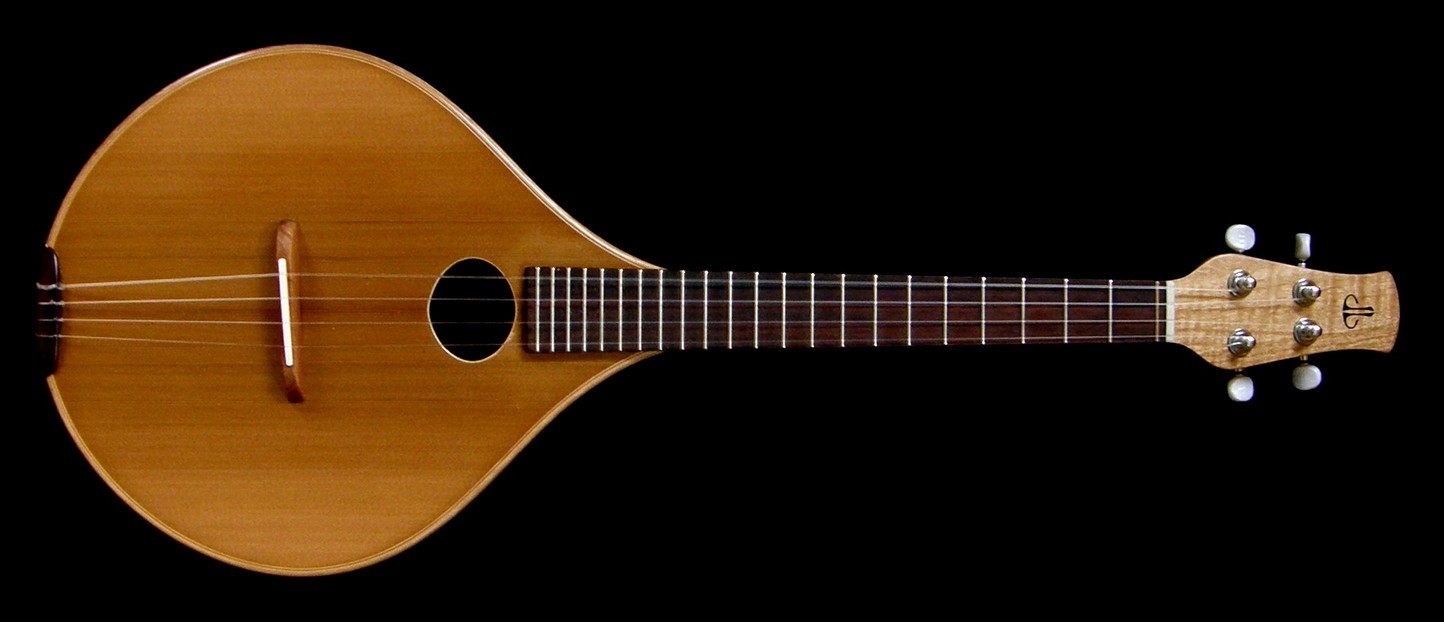 |
I was inspired by Aleksei Arkhipovsky playing the balalaika. I didn't want to make a traditional one, so I stretched my mandolin design and adapted it to balalaika acoustics. There are very few instruments that combine a tailpiece with non-steel strings. This produces a very round sweet sound, which is mellowed again by the fact that the body pitch is lower than the lowest string pitch. I chose to use four strings instead of three as it opens up many other tunings including ukulele and mandola. (The balalaika, tenor uke and mandola all have the same scale length.)
Here is a video using ukulele tuning The tuning is ADF#B with Worth strings .110, .074, .062, .047. This produces about 5 kilos per string. (The A is lower pitched than the D.) |
|
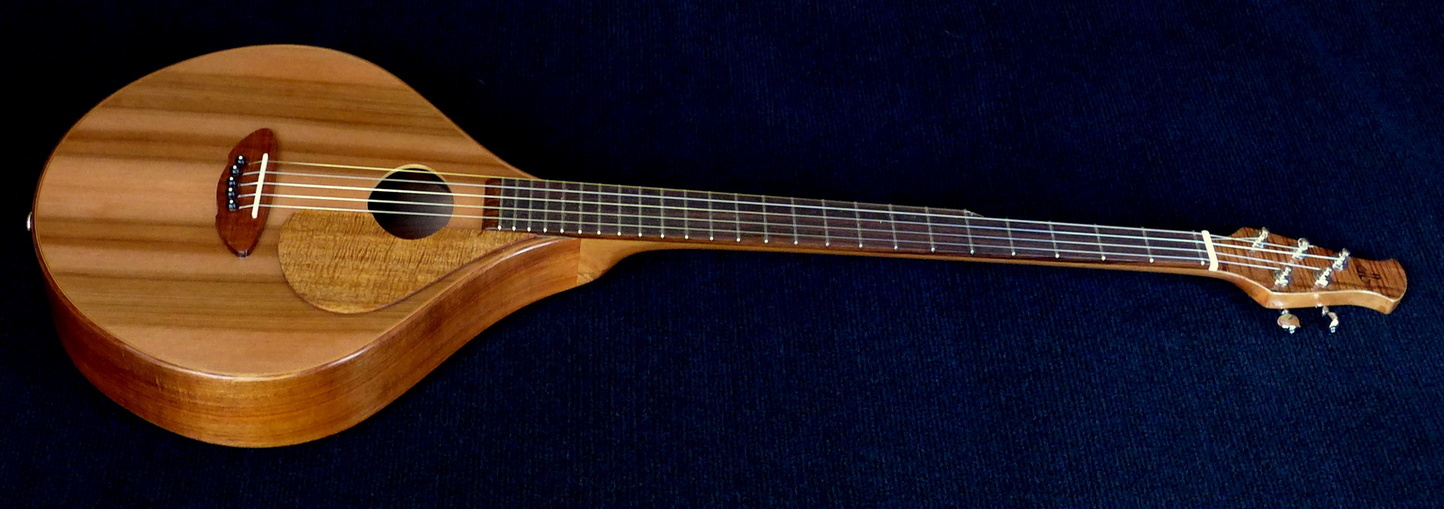
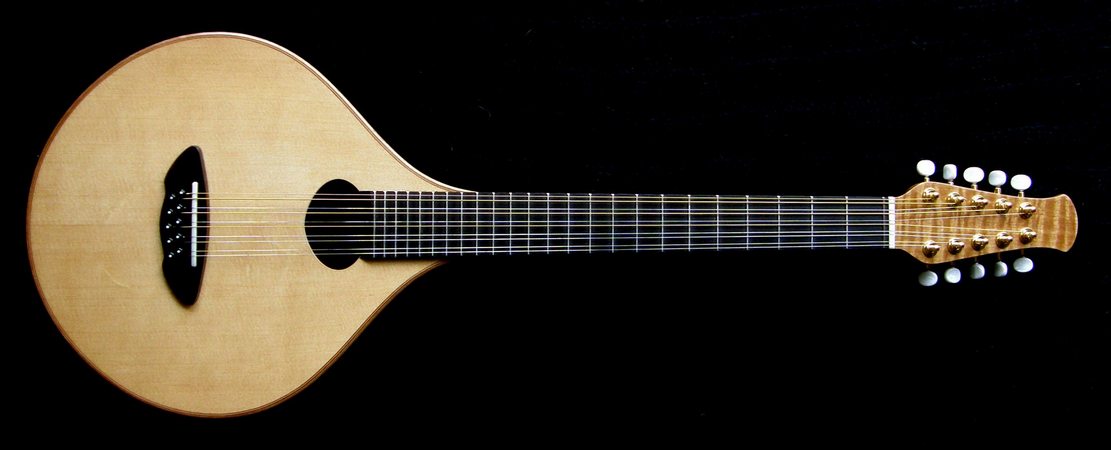
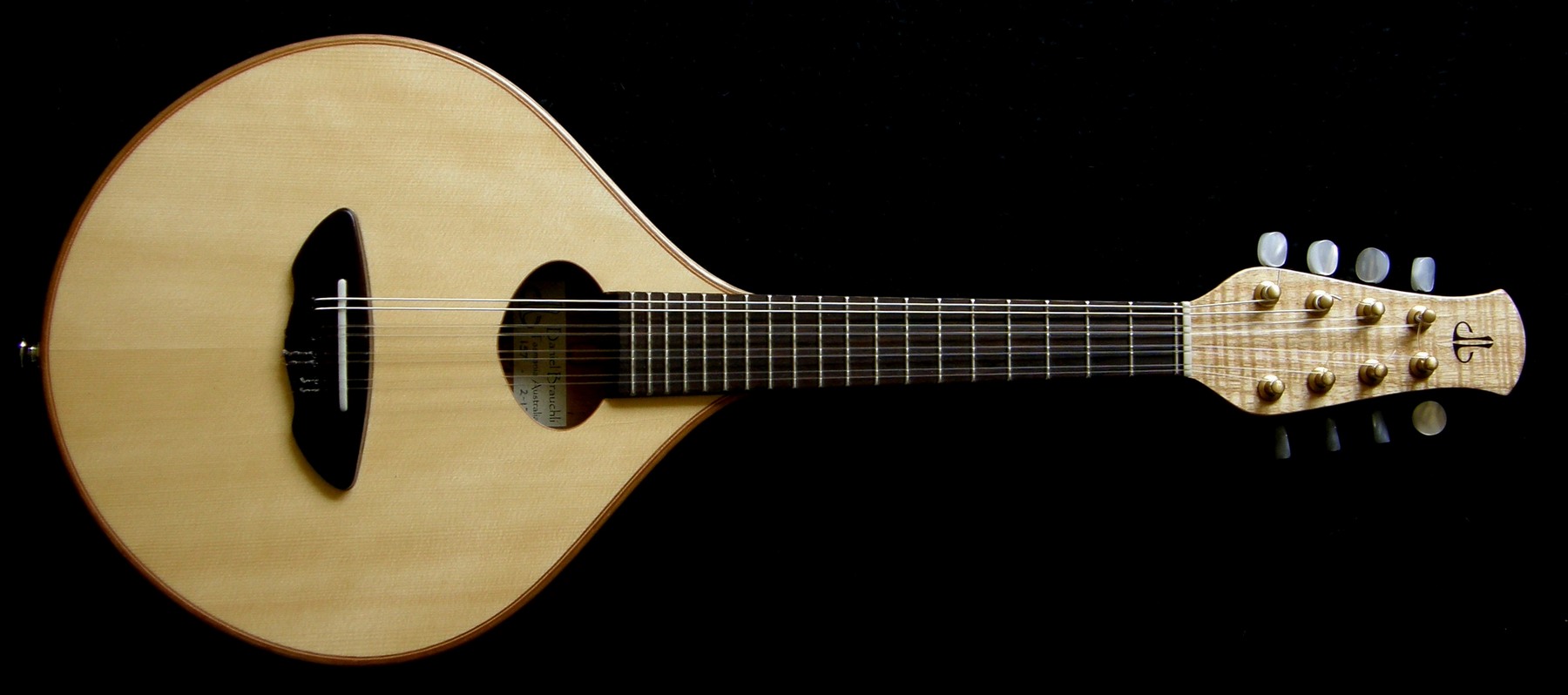
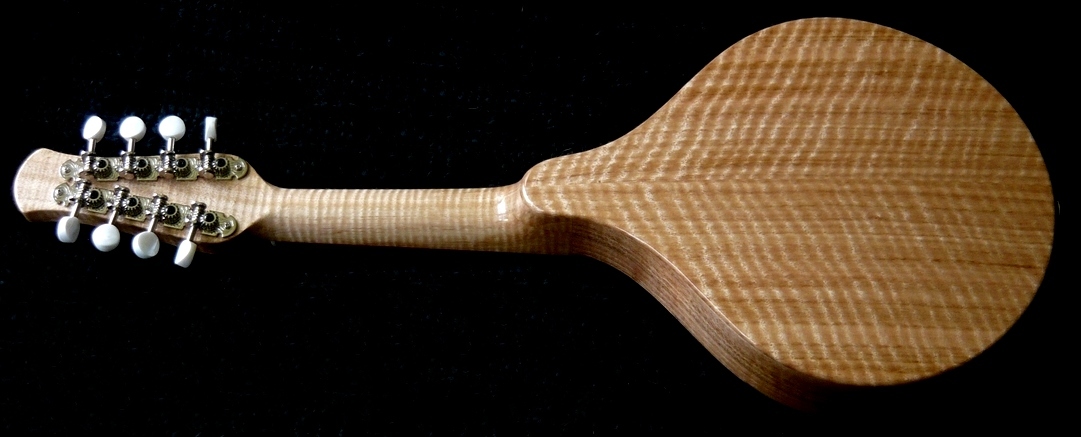
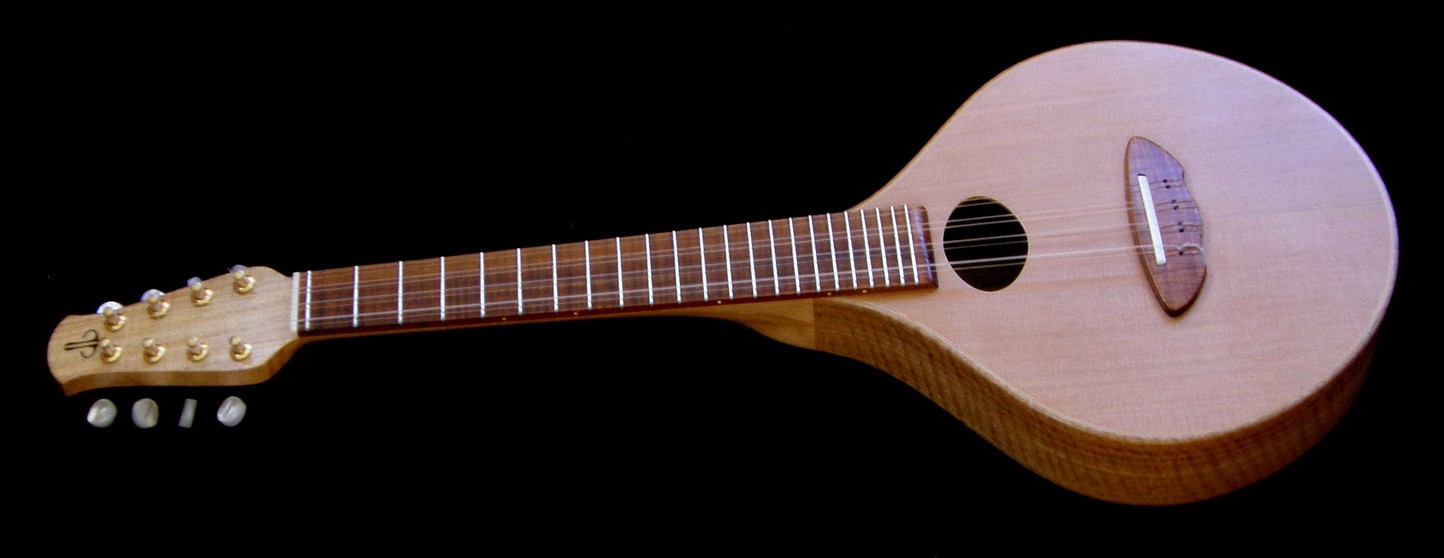
Fluorocarbon is a name that can describe any compound composed of fluorine and carbon, but in this case it is used as the commercial name of polyvinylidene fluoride (PVDF) which was invented and produced since 1970 by Kureha Chemical in Japan.
Fluorocarbon strings look like nylon but the similarity stops there. Fc has a density of 1.8 g/cm3 whereas nylon has a density of around 1.15. Because this heavier, stronger material is used at a thinner gauge, it has more overtones than nylon. They seem match the tone of the wound strings on a classical guitar better than nylon strings.
All string materials start to lose their harmonics as they get thicker and stiffer. That is basically the reason why lower strings on most instruments are wound. (Sitars don't use wound strings, but the harmonics are enhanced by vibrating against the flat bridge.)
You can buy fluorocarbon as fishing leader, but only the best quality ones are accurate enough for strings. I usually get the material from Worth strings in Japan, who sells them as ukulele strings. He will also sell any gauge by the meter if you ask him for prices. The strings can last for years, although some players have reported occasional breakage of the highest string. Info for fitting fluorocarbon strings.